


Flora and Fauna Curaçao
Animals you will definitely encounter in our garden

Tropical mockingbird Not strikingly coloured, but an elegant slender bird that can sing beautifully.
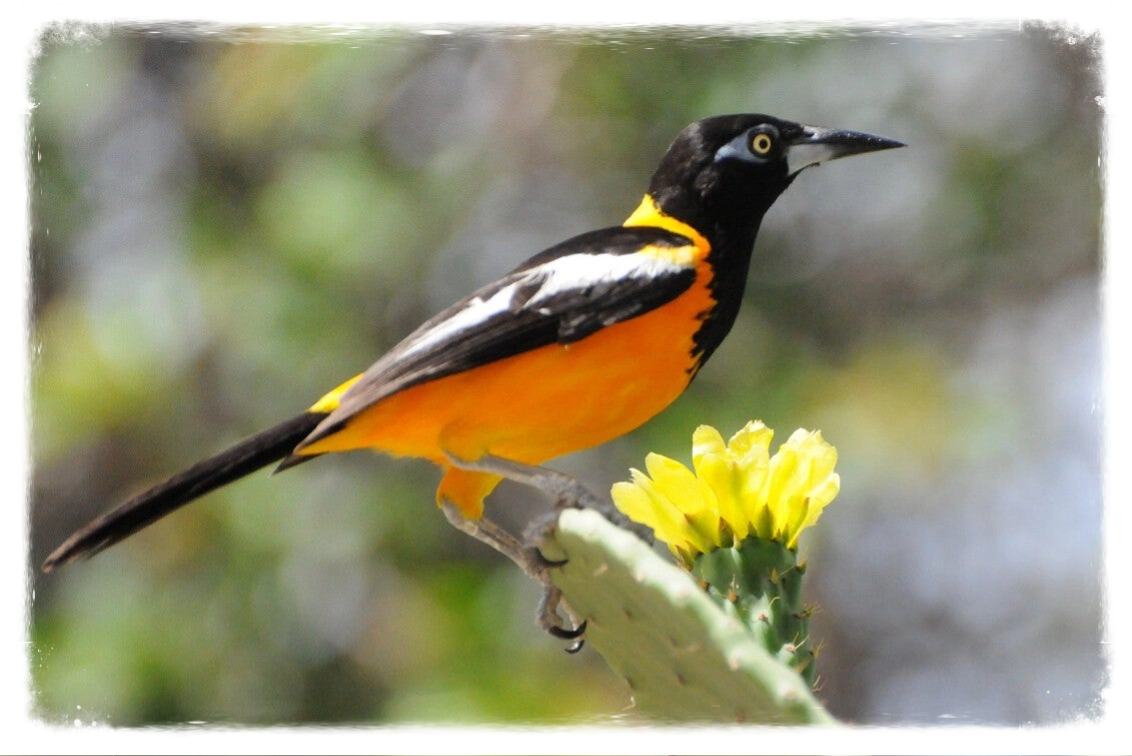
Venezuelan troupial Beautifully colored striking bird both because of its colors and its call.

Crested Caracara The most famous bird of prey in Curaçao. He eats lizards, mice but also loves carrion.
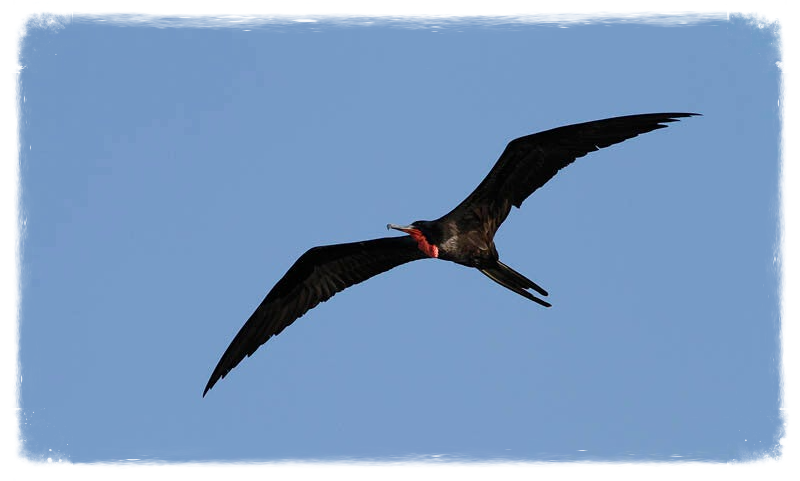
Fregate bird The recognizable silhouette of this bird can often be seen hovering high in the air above the sea in search of prey. During the mating season, the males have a red-colored throat pouch that they can inflate.
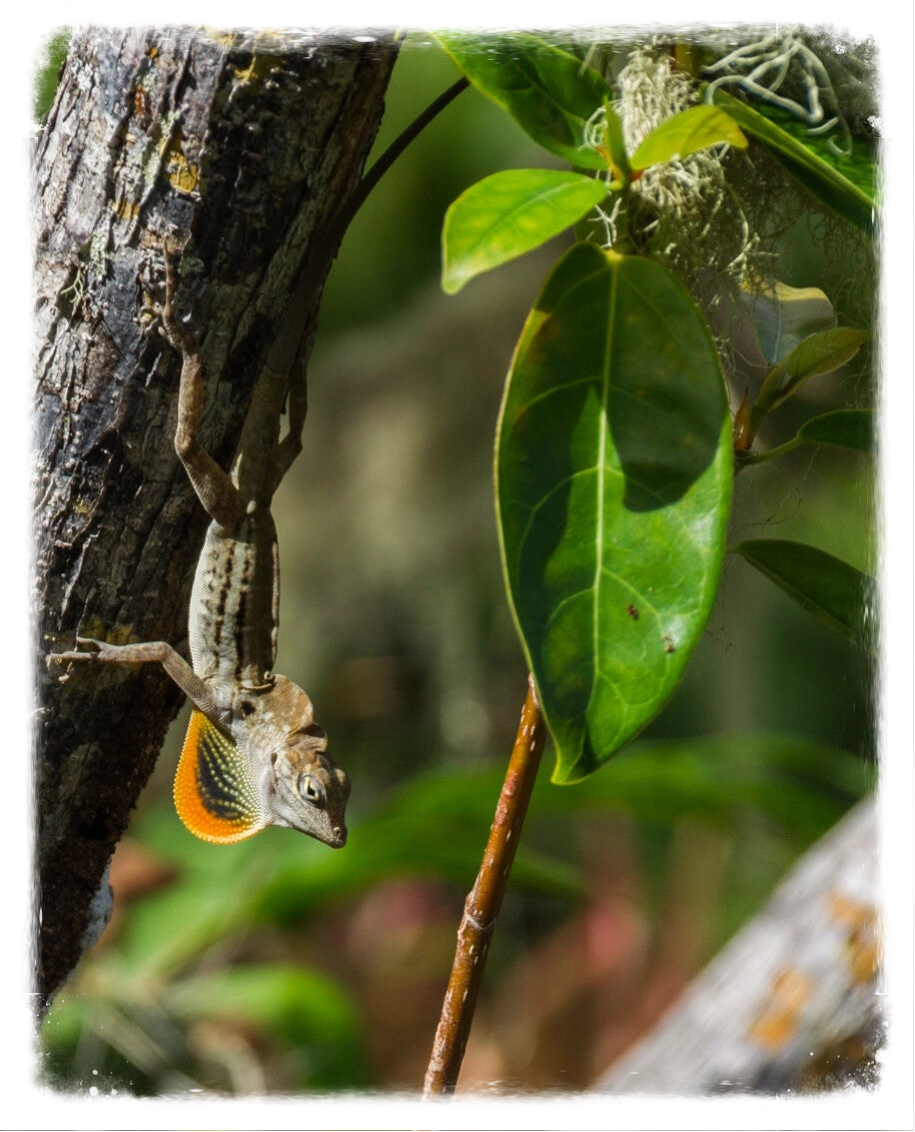
Anolis Small lizards with long front legs that allow them to raise their heads higher.
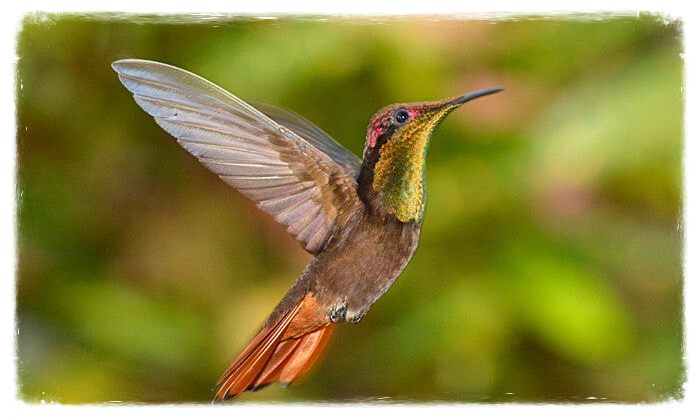
Ruby topaz hummingbird This one is less common and a bit shyer than the emerald hummingbird. At first glance, it also seems a bit grey, but under a certain angel, you can see its stunning colors flashing in the sunlight.

Baby iguana. You regularly encounter these small, bright green, mini dragons eating flowers. You will not often find adult iguanas in our garden. They are afraid of dogs (and rightly so ;-)

Red Dragonfly Large insects that you regularly see flying above the pool looking for small insects and mosquitoes.

Black-faced grassquit A small bird that belongs to the seed eaters. It is a funny and charming bird that is not shy at all. The males are darker grey/green and the females light grey.
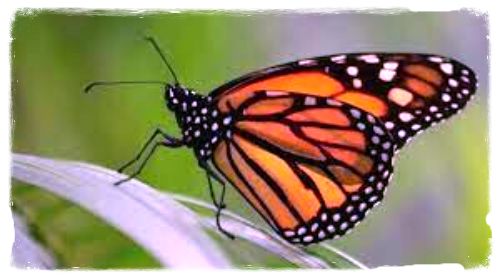
Monarch Butterfly Fairly large reddish brown butterflies with a powerful wing beat.They are migratory butterflies that often travel enormous distances. They don't do that on Curacao. The climate here is pleasant for them all year round.
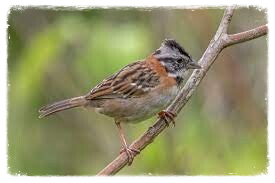
Andean Sparrow Very similar to a common sparrow, but has a perky black crest on its head.

Emerald Hummingbird Probably the most popular visitors to our garden, tiny nectar-eating birds with metallic feathers.

Brown-throated parakeet These noise makers are not to be missed when flying over with a large group. They often only land high in trees or on the roof

Bonaire Whiptail Magnificent lizard, especially the males color more and more turquoise during their lives. They are true omnivores.
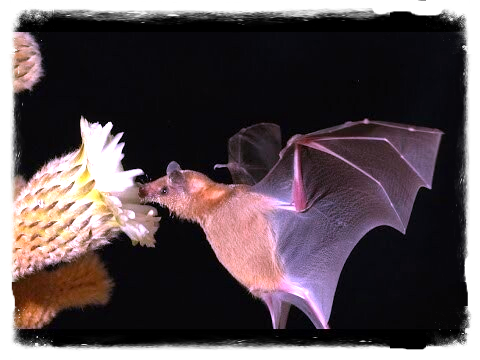
Bat You can see these little bats flying a lot during the twilight. They mainly live on nectar and rotten fruit.

Carib Grackle Intense black graceful bird. Very cheeky and tame, often seen in groups. They eat insects, but also love the leftovers of bathers.
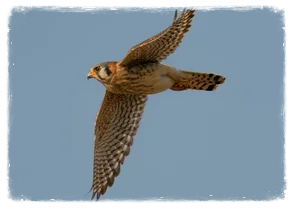
American Kestrel Here called Kinikini is a small bird of prey that you often see perched on a high pole or roof in search of prey such as large insects, lizards or small birds.
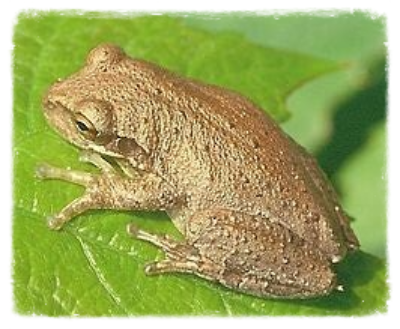
Cuban Tree Frog A fairly large tree frog with the distinctive signature long toes and round adhesive discs. They mainly eat insects. During the day it is hidden between the leaves of trees. Preferably palm trees where often some water remains between the leaves. at night it hunts insects. He hardly ever hits the ground.

Safron finch These sweet little birds are not shy at all and usually in pairs. Their head is yellow with orange, the wings and tail grey/green and their body yellow/green.

Ground dove Funny little pigeon that lives mainly on the ground on grains and seeds.

Brown Pelican As you can see from its appearance, the pelican is a prehistoric bird. The oldest fossils found are 30 million years old! They hunt for fish, crustaceans, but also other birds.
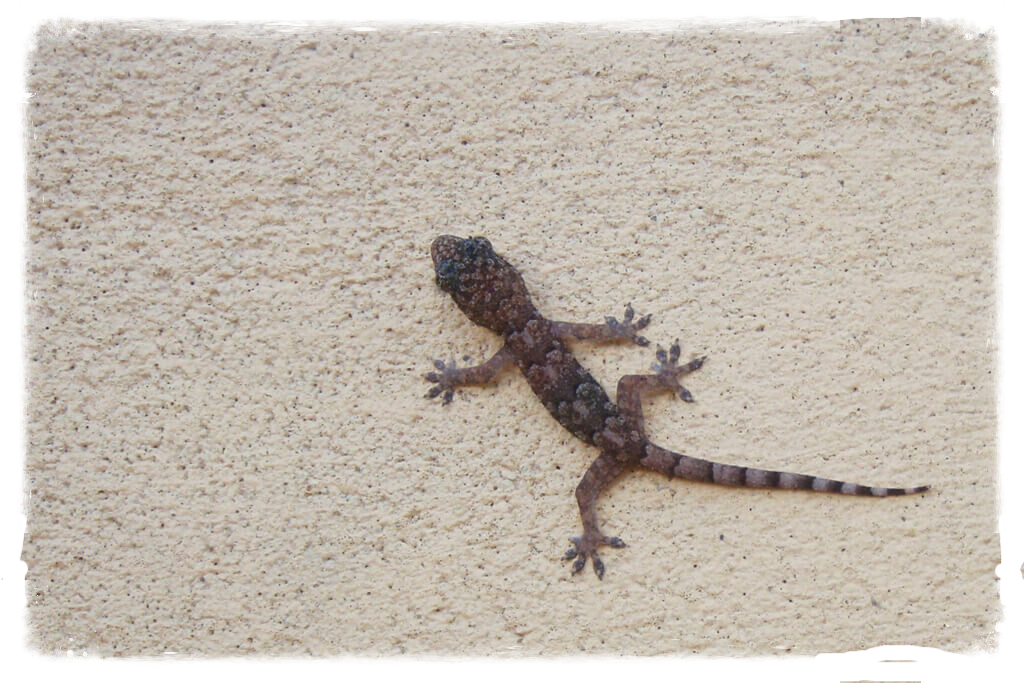
Gecko Small reptiles that you can see in the evening, defying gravity, on walls and ceilings hunting for insects.

Caribbean Flamingo: You may occasionally see and hear Caribbean flamingos flying overhead; their calls sound much like those of geese. They can be spotted throughout Curaçao, but they only breed on Bonaire.
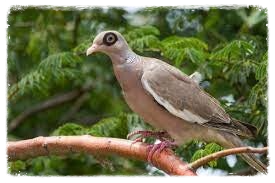
Bare-eyed pigeon Pigeon with a striking black rim around its eyes. They are not shy and forage everywhere in search of food.
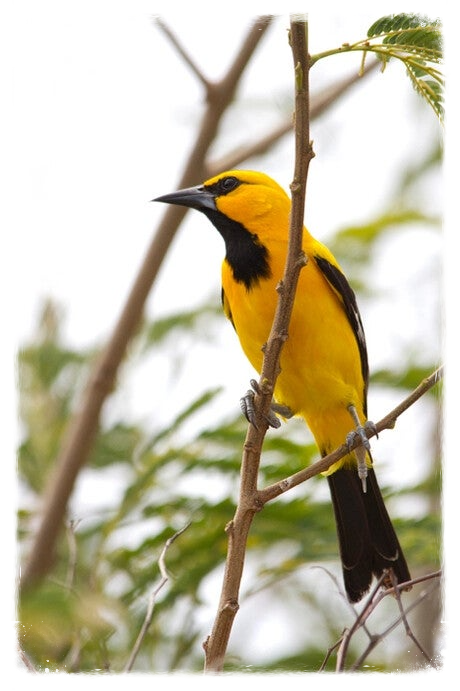
Yellow Oriole Beautiful yellow and black bird that builds artistic nests.

Banana-Quit They are bold and tame and can therefore often be found near restaurants where they steal lemonade and other sweets. Their thin, curved beak is adapted to extract nectar from flowers. It also eats fruit and occasionally small insects.
Animals you don't like to meet and what you can do about them.
General: Try to store food in Tupperware or in the refrigerator as much as possible, because mice and even birds are also attracted to food that has not been stored properly. Do not leave your dishes for too long and wipe everything well with a cloth with vinegar, insects do not like that. The lemon and lavender scent is also not popular with most insects. Hence, all cleaners are lemon or lavender scented. Do you want them dead? Then there is an aerosol with insect spray in every apartment. You can even poison cockroaches with it.
Mosquitoes Not dangerous although they can sometimes transmit diseases, not scary, but the most annoying animals on Curacao. Apply mosquito repellent with 25% deet, burning incense in the evening and a candle with a lemon or lavender scent, keep them at a distance.
Cockroaches Don`t cause any harm and are actually quite beautiful, but most people think they are filthy. They have a good sense of smell and fly around at night in search of food. They are attracted by the smell of food, but the smell of lemon and lavender scares them off.
You can ignore them, kick them to death or attack them with the bug spray.
Centipedes Can grow quite large here and usually hide under something. You don't see them very often and they won't attack you, but if you get bit it is very painful especially if it is a large one. It is generally not dangerous.
Wasps The wasps that live here are called Maribomba`s . The advantage is that they are not attracted to sweets or food. Unfortunately, they can be mean when they're cornered. A wasp sting is only dangerous if you are allergic to it.
Mice here generally only live outside, but they will be attracted to food that is not properly packaged.
Scorpions There are small scorpions on Curaçao that are mainly active in the evening. They don't come for food, but sometimes they do come for water. Cornered, they can stab quite a bit with their tail. The sting is painful, similar to a wasp sting, but not dangerous. You can kill them with the bug spray.
D E O C T O P U S